
Connecticut title guide
Selling a junk car without a title in Connecticut
The short answer
It depends on the car's age. Connecticut does not require a title for vehicles more than 20 model years old. For one of those, the new owner registers it with your registration and a bill of sale. Newer vehicles need the title, or a duplicate from the Connecticut DMV.
First published November 4, 2026. Rules checked against official Connecticut sources on and reviewed by Paola Reniery, Operations Manager (see the sources).
What does Connecticut ask of sellers?
In Connecticut, a replacement title (form H-6B) costs $25.00. Each card links to the official page it came from.
- Replacing a lost title
- Form H-6B, Application for Replacement Certificate of Title. Fee: $25.00.
- Official source
- After the sale
- Remove the plates and cancel the registration with the DMV. Connecticut's seller steps don't include a separate notice of sale.
- Official source
What do you do if you have the title?
Sign and print your name where the seller signs, fill in the odometer reading if there's a space for it, and leave the buyer section blank. If your title has a notary section, the signatures have to be notarized. If it doesn't, you sign in front of the driver at pickup. Don't sign the title until the driver is there and you've agreed the price.
What if the title is lost or damaged?
Connecticut replacement titles come from the Connecticut DMV, using form H-6B (Application for Replacement Certificate of Title), for a fee of $25.00. You'll need the VIN, which is on the dashboard by the windshield, on the driver's door jamb and on your registration. If you're in a hurry, tell our buyer partner when it contacts you: it can buy some cars without a title, so ask whether that works for your car in Connecticut.
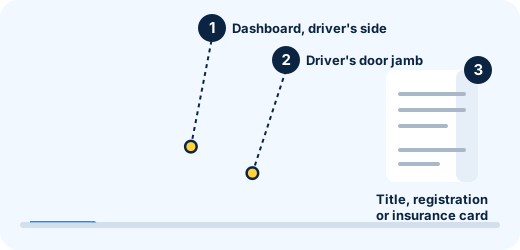
Older cars that don't need a title
Connecticut does not require a title for vehicles more than 20 model years old. For one of those, the new owner registers it with your registration and a bill of sale. Bring your registration, a photo ID and a bill of sale with the VIN, the sale price and both signatures.
For the full walkthrough, including the states that exempt older cars and what to avoid, read how to sell a junk car without a title.
What if there's a loan, or the owner has died?
If a lender is still listed on the title, you'll need its lien release, or the loan gets paid off as part of the sale. If the owner has died, only someone with legal authority, usually the executor, can sell the car, and the Connecticut DMV can tell you which estate papers Connecticut accepts.
What do you do after the sale?
- Remove the plates and cancel the registration with the DMV. Connecticut's seller steps don't include a separate notice of sale.
- Plates: The seller removes the plates and cancels the registration with DMV.
- Keep a photo of the signed title, and cancel the insurance once the car has been picked up.
Title rules change, so confirm them with the Connecticut DMV before you sell; this page is general information, not legal advice.
Can you junk a car without a title in Connecticut?
Yes, if the car is old enough. Connecticut does not require a title for vehicles more than 20 model years old. For one of those, the new owner registers it with your registration and a bill of sale. For newer cars you'll need the title or a duplicate from the Connecticut DMV.
How do I get a duplicate title in Connecticut?
Apply to the Connecticut DMV with form H-6B (Application for Replacement Certificate of Title), and have a photo ID and the VIN ready. The fee is $25.00, according to the agency.
Can I sell a car in Connecticut with just a bill of sale?
For vehicles old enough to be title exempt, ask the buyer which papers it needs before pickup, and have your registration and a bill of sale ready. Newer vehicles still need a title.